
How to Streamline Payroll: Common Errors & Quick Fixes
Jatin Detwani
2025-12-07
Payroll is described as "a list of a company's employees and the amount they are to be paid" in the dictionary. Payroll is an essential component of business management, despite the fact that this definition may seem simple.
It involves managing employee benefits, paying employees on time, and complying with intricate regulations in addition to much more than just calculating wages. Maintaining employee satisfaction, guaranteeing legal compliance, and bolstering a company's overall financial stability all depend on effective payroll management.
This article will discuss the importance of payroll, the best ways to manage it, common pitfalls to watch out for, and the advantages of using a professional payroll service provider.
Why is Payroll Important?
The importance of payroll cannot be overstated. Payroll is not only a financial commitment; businesses also have legal obligations to fulfil.
Above all, it guarantees that workers receive their compensation precisely and on schedule, which is crucial for preserving morale and output. Businesses can avoid expensive fines and legal troubles by adhering to local and federal regulations with the aid of an effective payroll system. To stay ahead of tax and statutory obligations in Singapore, many businesses also combine payroll with corporate tax filing services.
Payroll management is also essential for accurate budgeting and financial reporting, which helps companies control labour costs and make wise decisions. Ineffective payroll management can result in financial penalties, reputational harm, and legal issues.
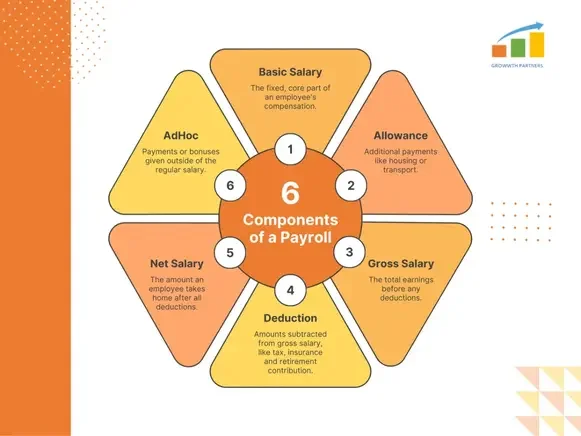
Best Practices in Payroll Management
Establishing and maintaining a strong payroll structure is the first step towards effective payroll management as it provides the framework for precise and legal compensation procedures.
Although handling payroll can be difficult, there is a way to make it easier and less likely to go wrong: by adhering to best practices. Here are some crucial actions to think about:
1. Stay Updated with Laws and Regulations
Both tax laws and labour laws are always changing. To ensure compliance, it is imperative to remain informed about these changes. This entails being aware of tax obligations, overtime regulations, and minimum wage laws.
2. Implement Automated Payroll Systems
Payroll processing can be made much less labour-intensive by automation. Payroll software minimises the possibility of human error and saves time by handling computations, tax filings, and direct deposits.
3. Maintain Accurate Records
It is essential to maintain thorough records of all employee hours worked, pay, deductions, and tax returns. In addition to ensuring accurate payroll processing, these records are crucial documentation in case of an audit. For businesses that want clean, audit-ready books, Growwth Partners’ bookkeeping services in Singapore can support end-to-end financial record management.
4. Conduct Regular Audits
Payroll audits conducted on a regular basis can help find inconsistencies and guarantee that all payroll procedures are operating as intended. Additionally, audits assist in identifying mistakes before they become serious problems.
5. Ensure Confidentiality
Payroll data is sensitive, so protecting it is essential. Put robust security measures in place to prevent unauthorised access to employee data.
6. Provide Training for Payroll Staff
Specialised knowledge is needed for payroll management. Payroll employees receive regular training to keep them informed about the most recent laws and industry best practices.
Common Payroll Mistakes
Even with the greatest of efforts, payroll errors can occur. Businesses can prevent the following mistakes by being aware of the most frequent ones and their effects:
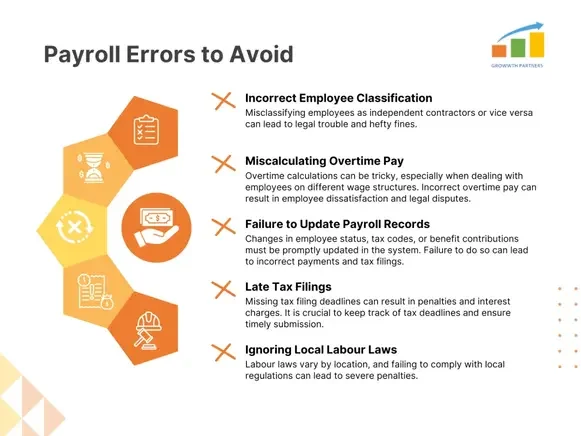
These errors may have serious repercussions, such as fines, legal action, and reputational harm to the business. Payroll mistakes can also cause employee unhappiness, which can lower output and increase attrition rates.
Benefits of Expert Payroll Services
Due to the intricacy and risks involved in managing payroll, numerous companies choose to contract with outside service providers to handle their payroll. The following are some benefits of employing expert payroll services:
1. Expertise and Compliance
Expert payroll services ensure compliance and lower the chance of errors because they are knowledgeable about the most recent laws and regulations.
2. Time and Cost Efficiency
Payroll outsourcing gives HR departments and business owners more time to concentrate on their primary business operations. Additionally, it eliminates the need for internal payroll employees, which can save costs for smaller companies.
3. Advanced Technology
Payroll service providers frequently automate procedures using cutting-edge software and technology to guarantee precision and effectiveness.
4. Ability to Scale
Expert payroll services can grow with your company with ease, meeting expansion needs without necessitating major adjustments to your payroll procedures.
5. Confidentiality and Security
Payroll providers lower the risk of data breaches by protecting sensitive employee data with strong security measures in place.
6. Customisable Services
Numerous payroll service providers provide services that are easily customised, enabling companies to select the degree of support that best fits their requirements—from straightforward payroll processing to all-encompassing HR and compliance assistance.
To see what this looks like in practice, explore our case study on how our payroll services saved a small business 10k annually in administrative costs.
Payroll Services in Singapore
The business-friendly atmosphere of Singapore is well-known, and this includes the availability of expert payroll services.
Strict adherence to rules established by the Central Provident Fund (CPF) Board, the Inland Revenue Authority of Singapore (IRAS), and the Ministry of Manpower (MOM) governs payroll in Singapore. Payroll-related regulations address a number of topics, such as tax filings, deductions, contributions, and salary payments.
From straightforward payroll processing to all-inclusive HR management, professional payroll services in Singapore provide a variety of options. They guarantee observance of Singapore's intricate regulatory framework, encompassing the punctual submission of CPF contributions, income tax returns, and compliance with labour regulations.
Businesses in Singapore can concentrate on expansion while guaranteeing that their payroll procedures are managed effectively and precisely by outsourcing payroll.
Conclusion
A deep grasp of the relevant laws and regulations, as well as meticulous attention to detail, are essential for managing payroll, a crucial component of business management. Through adherence to industry best practices, circumvention of typical errors, and evaluation of the benefits associated with hiring a payroll service provider, companies can guarantee that their payroll procedures are effective, compliant, and advantageous for both the company and its staff.
Remember, businesses aiming to concentrate on expansion and simplify operations can find great value in using expert payroll services.
Growwth Partners' expert services can help you stay compliant while streamlining payroll management. Growwth Partners, trusted by over 500 organisations with over 95% customer satisfaction, has a committed team ready to support your business at every stage and provide accounting and financial services to accelerate your growth.
Want to simplify payroll and stay fully compliant? Book a 15-minute call with Growwth Partners to discuss your payroll and finance needs.
Frequently Asked Questions
Common questions about this topic
Related Services & Solutions
Accounting Services in Singapore
Leverage our generative AI development services to streamline workflows, boost productivity and drive innovation, while ensuring seamless integration with your existing systems.
Part-Time CFO Services
Optimize your business potential with our comprehensive generative AI consulting services, designed to guide you in leveraging GenAI for operational excellence and product innovation.
Bookkeeping Services in Singapore
Unlock AI's full potential for your business through our comprehensive AI development services, designed to tackle intricate tech challenges, streamline business workflows, and achieve operational excellence.
Ready to Strengthen Your Financial Strategy?
Book a free consultation to discuss your business goals.
